A Personal Essay
(Aided by the street artists of Cape Town)
By: Anika Kieler
August 2023
- Part One: City of Opposites
- Part Two: Culture and Roots
- Part Three: Mishmash
- Part Four: Losing Hope
- Part 5: … And Yet, Stubborn Optimism Remains
- Part 6: Giving is Power
- Part 7: Interconnectedness
- Part 8: A Complicated Answer To A Simple Question
“I believe people travel for one of two reasons. They’re either looking for something or running away from something. Oftentimes, travel ends up being a combination of the two. When I travel, I find myself learning lessons I didn’t realize I needed as I step back from my own life and examine it fully, separated from my day-to-day reality.
I was running away. From the person I am at college, from the expectations I feel I have to meet. Running away from a hard semester filled with questions about myself, my friends, my future, and pondering the crossroads I’m approaching in my life as I prepare to leave college.
But I was also looking for something. For friends, for stories, for an understanding of the world bigger than my own. For proof that I could do it. I could live my own life and take steps in a new direction. I was looking for life in one of the most vibrant places on the planet.
I’m now asking myself if I found it, as I sit here typing on my last full day, sipping a beautiful coffee in the shade of Table Mountain. This is my experience coming to you directly from Cape Town, South Africa.” – August 7th, 2023
Part 1: City of Opposites
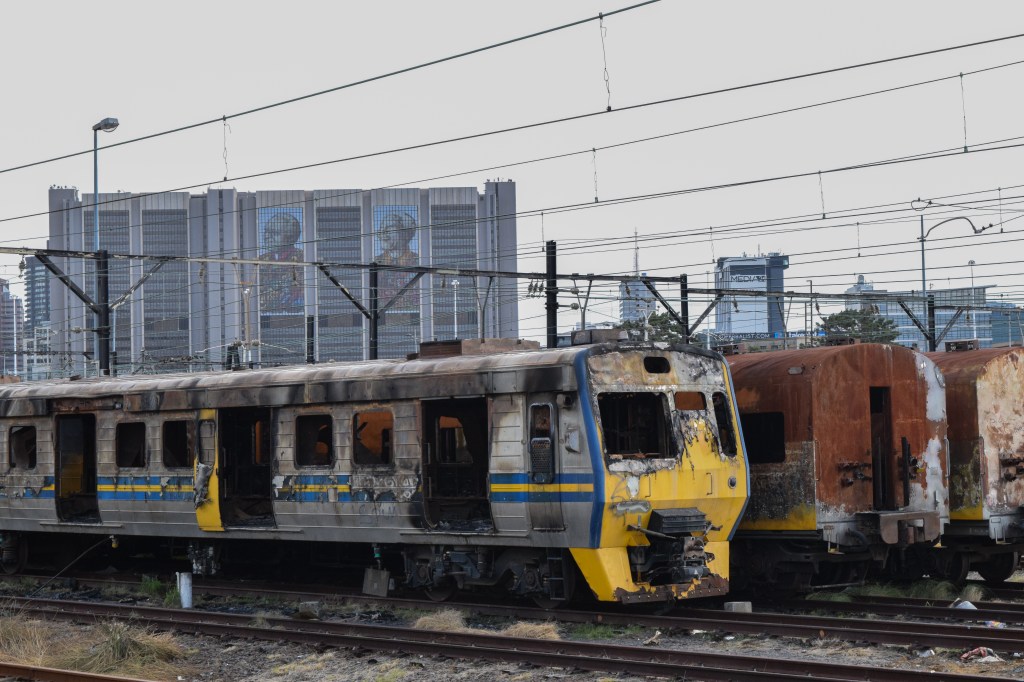
Cape Town is a city of opposites. I think that’s part of the reason it was the perfect place for me this summer, as I was caught between opposites too. American tourist and local (I lived there for 9 weeks;), southern and northern hemispheres; fear and joy; success and failure; college student and college graduate; a student and an intern, to name a few of those opposites.
And then there’s the city itself. Cape Town is a highly westernized city in a developing country. It is crowded yet empty, loud but filled with quiet moments. There is fear and apprehension in the streets, but hope and relentless optimism in the people. It lives in the waves of the oceans and in the shadows of the mountains. It is African and European; young and old; new and forgotten; shining and rusty; and bichromatic and colorful, all at once. I’m not sure I can explain how each of these is possible, but it is. It represents both good and bad.
However, some people shut out the bad and pretend it doesn’t exist. If you’re rich enough, you can build high enough walls, drive on nice enough roads, and stare at beautiful enough views to eventually forget the vast poverty that lies outside your door.
But I learned that you need both halves to build a complete understanding of what stands before you. Without one or the other, you are subjecting yourself to a limited and unrealistic version of what is sitting in front of you. Even though poverty is hard to acknowledge and South Africa’s history is complicated, lost in the margins of isolation are vibrant groups of people with stories to tell and experiences to share. They deserve a voice, no matter where they come from. And despite the bad, South Africa is vibrant and bold, filled with incredible people who tell extraordinary stories of perseverance, heart, and staying true to one’s roots.
Part 2: Culture and Roots
We all come from somewhere. I’m talking about culture. Our culture is our family, our personal experiences, our traditions, our heritage, our backgrounds; culture is whatever you want it to be. Despite the constantly changing Terms and Conditions of life, we keep agreeing to them as we continue to live. But we all have our culture to guide us, and it manifests in countless ways. Advice, cautionary tales, and educational moments; the past is a lesson plan we can use to determine how we do on the tests of the future.
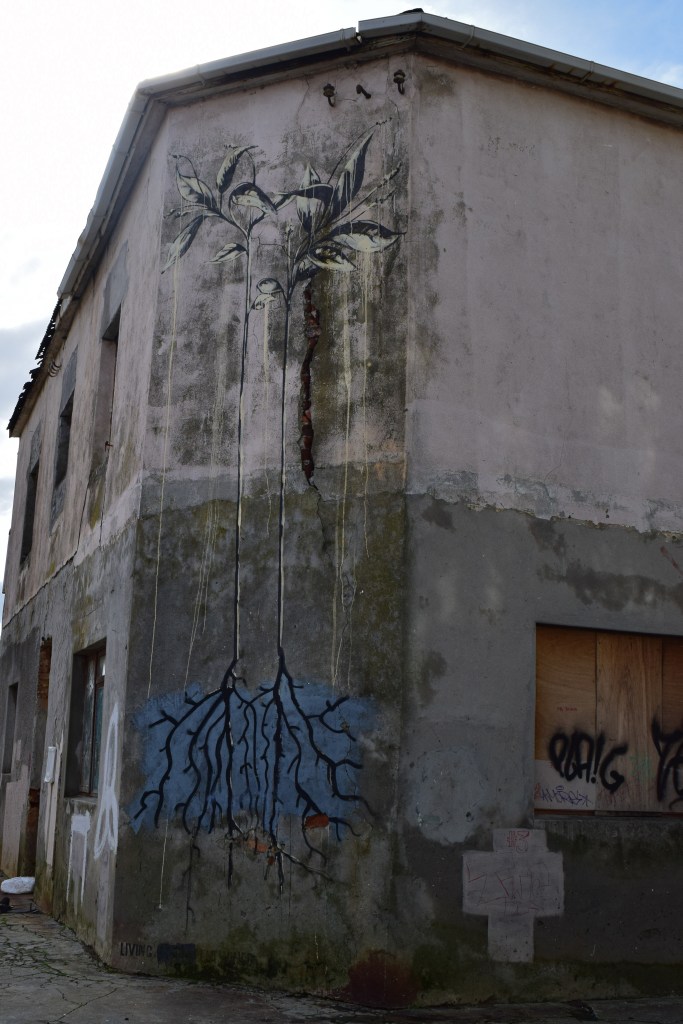
Your roots define where you started. They define what kind of environment you grew up in and the kind of life you had to live. But they do not determine where you choose to go on your own. You can grow in a new direction and reach further than what you thought possible. There are some factors you can’t predict. But you can control your reactions to the unpredictable.
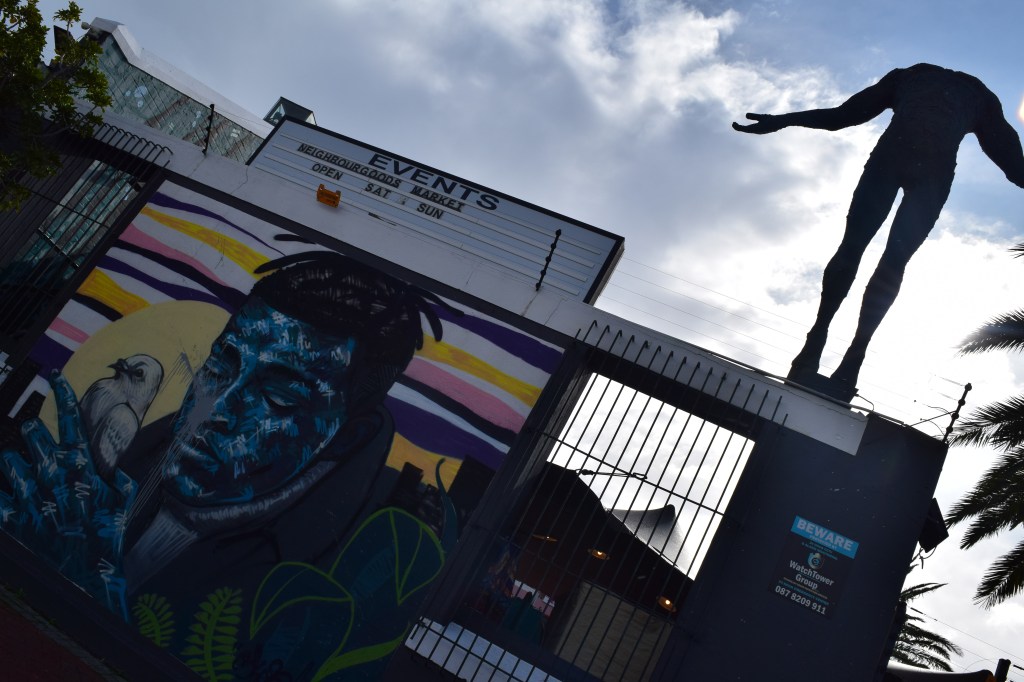
This photo was taken in an area about 10 minutes outside of downtown Cape Town called Woodstock. Woodstock used to be a train hub, but it faded as the rail industry slowed. In the past few years, it has been a major target of urbanization and gentrification, as new communities (primarily white) have begun moving in and taking over. Alongside the new communities lie stark opposites: modern housing buildings and homeless camps, existing side by side.
I met an incredible man named Denver who despises the smell of coffee. It reminds him of his childhood in a township, one family living in one room. A childhood of fear and poverty. A childhood spent always wondering if the electricity would come on- or stay on. Wondering whether clean water will be available, but knowing it probably won’t. When clean water couldn’t be accessed, strong coffee made with dirty water and fork-smashed coffee beans became a full meal. It was the only sustenance they consistently had available. Coffee beans were cheaper than vegetables, fruit, or canned food. That’s why coffee is making him nauseated now. It reminds him of a time in his life fighting malnutrition, of empty bellies and empty promises. At a time when his parents had to look him in the eyes and tell him he was going without food for the night.
But despite that, Denver is one of the most positive people I’ve ever met.
“I don’t want your sorry, sorry, give me nothing,” Denver said. “I care about what I have now and how far I’ve come, but I will not forget where I came from.”
He sees the good in the world despite a thousand reasons why he shouldn’t. He greets every person with a smile and demands nothing in return. He shared his story with me on one condition. He asked me to forever remember his people’s determination. He wanted me to understand and gain perspective. To remember the true power of joy, community, optimism…
Part 3: Mishmash
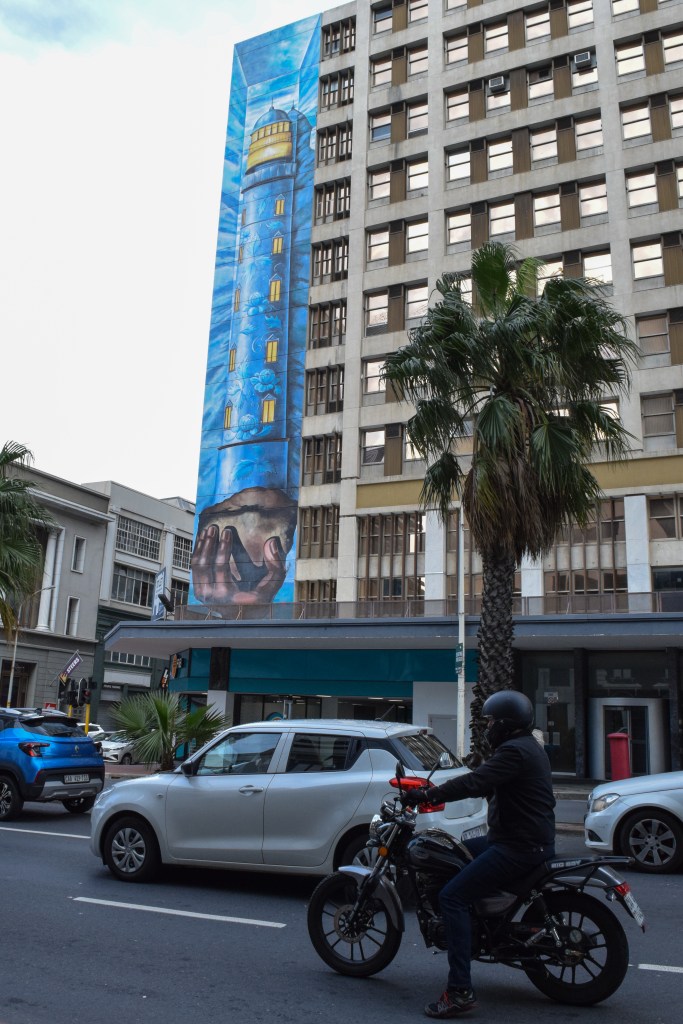
Strand Street in downtown Cape Town is one of the city’s busiest streets. This area is mainly a business district, but Stand Street acts as a major thoroughfare for daily commuters. The number of motorbikes on the roads is about equal to the number of cars. They’re cheaper, easier to drive and navigate traffic, and offer access to specialized employment opportunities, such as delivery driver roles.
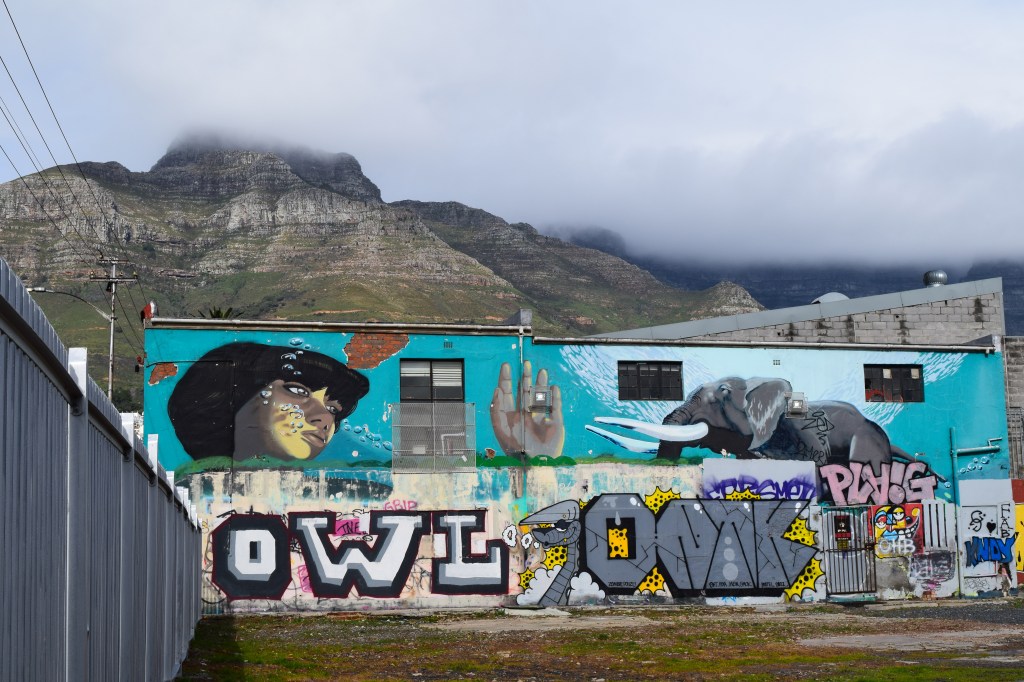
Cape Town is one of the most diverse cities I’ve ever visited. Not only are there 12 official languages in South Africa, one of them being English, but as a major destination for international travelers, I regularly found myself surrounded by people speaking a vast range of languages from all over the world.
South Africa is also a primary destination for immigrants from across Africa. Many come from Zimbabwe, the Democratic Republic of Congo, and Mozambique, but people come from as far as Mali. A cultural melting pot, yes, but Cape Town feels different than other melting pots I’ve visited. People openly and happily share traditional bead-making techniques (a common part of local spirituality traditions) and customary food recipes. Languages merge, and vocabularies shift; music and dane adapt to appeal to wider groups of people. Pretty soon, you have a mishmash of cultures, people, and values made up of countless African cultures and foreign influences. While all this cultural collaboration can seem overwhelming at first, I developed a deep appreciation for the ways that people engrain their historical traditions in modern life. It’s an unspoken community, the sharing of who you are, your people’s values and traditions, and those imposed by others.
For example, the legacies of the Dutch East India Company and British colonizers are prominent in two of the most common languages: Afrikaans and English. Not only do these languages share their roots in Europe and in international evolution and divergences, but the local dialects, regional accents, and various vocabularies create a fluid, inconsistent- but unifying- way of speaking. Your speech is one thing that can never be taken from you, so you say what you want and speak of your people, your stories, where you’re from, who you are. Your living, speaking, and sharing keep it all alive.
Shared values and geographic commonalities unite people. Sometimes in ways I hadn’t considered before, such as in the legends of Table Mountain, which looms over the city. Stories about the mountain are traded while haggling prices in markets and driving tourists in Ubers. People connect deeply over soccer (or football) games, and the South African rugby team’s jersey is more common than the country’s flag. Cape Town roads are overflowing with motorbikes, cars, bikers, construction vehicles, and cranes, and determined drivers weave in and out of traffic at 50 mph. Taxi drivers yell at passing cars, amid the symphony of car horns, screeching brakes, and the ever-present buzz of every city. The smell of cigarettes, vehicle exhaust, body odor, flowering trees, and the ocean’s salt floats through the air. The people are the heart of the city, searching for life and connection in the thick of seemingly overwhelming issues.
Part 4: Losing Hope
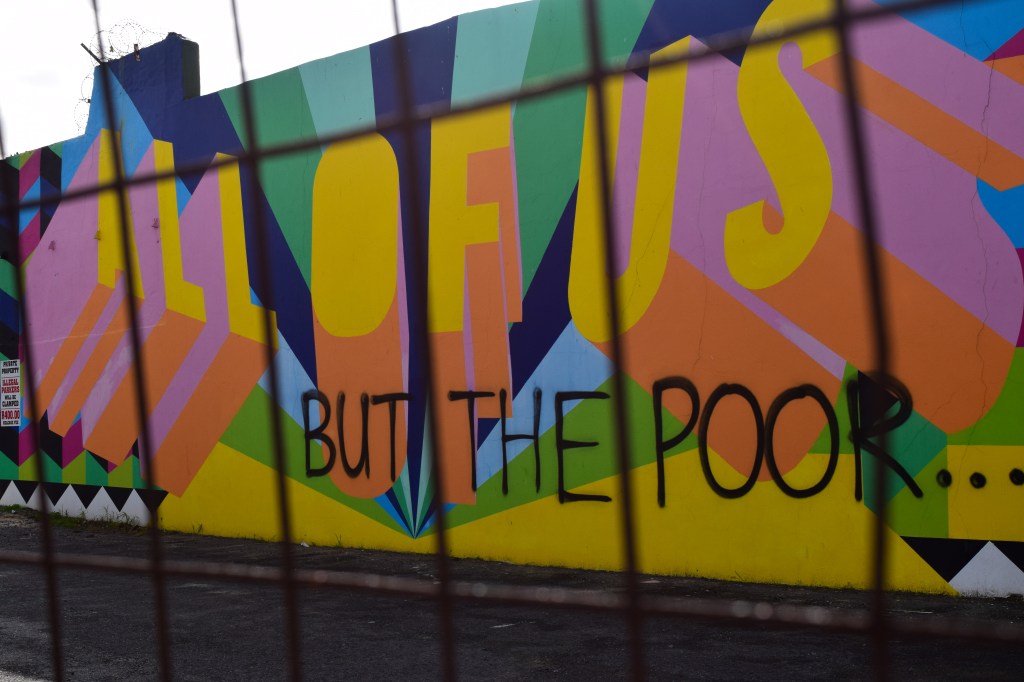
This art was commissioned on the side of a building near one of Woodstock’s central roundabouts. It was later vandalized with black writing. This wasn’t the only mural in Woodstock to be defaced; it was one of at least three, all with the same message implying deliberate marginalization between economic statuses. “The Poor” in this area, and almost all of South Africa, are the Black and Coloured communities, particularly those still challenged by the creation and fallout of Apartheid.
Parts of South Africa are remarkably corrupt. Parts of South Africa are remarkably fractured. I’m an optimist to a fault, but watching the lights flicker off daily, hearing the peoples prayers echo in the empty sky hourly, weekly, endlessly…. I watched the people around me, slowly losing their faith in humanity, or having abandoned it decades ago. It cuts deep, to know they have good reason to stop believing in change. It cuts even deeper, watching strong, resiliant, lively people cross off all the reasons to keep living, one by one.
In the United States specifically, we (as a whole population) often choose to turn a blind eye to the borders beyond our own. We ignore the problems and controversial topics that dictate the everyday lifestyles people lead and the choices they’re forced to make. In South Africa, you cannot ignore them. In South Africa, you’d be turning a blind eye to the man with a broken leg right in front of you, to the young family on the street corner and the kind stranger who helped pick you up after you tripped on the stairs. An innocent-looking sidewalk holds the memory of being robbed at gunpoint. Horrible, 100%, but perhaps worse knowing the robber most likely was driven by starvation or thirst, the insatiable role of provider, the person with nothing but a will to live. When an innocent face hugs bloodshot eyes stained by loss. The loss being family, friends, home, language, citizenship, money, and the last respect they used to carry for themselves, most of which disapear in front of thier eyes. Corruption is a deadly game, the expectation instead of the exception, the pieces on the board being lives that hang in the balance.
I learned of named police officers who abandon the citizens they’re supposed to protect by decalring them legally “dead” to con Life Insurance providers out of thousands of dollars. I’ve watched broken, desperate people who’ve been treated as garbage, drink the liquid running into the city’s sewer drains because there’s limited access to clean water for everyone, not just the homeless. Where the everlasting echoes of oppression and systematic abuse run blood red into the scars and trauma carried through generations. Blood red like the blood of the people in the day-long lines for health care, activly craddeling thier chest and intestines after a stabbing. In the broken hearts of mothers who aren’t admitted to a hospital bed until they are activly in labor, meaning the child has breeched the mother’s womb. See baby skin? You’re eligable for a bed for the rest of your labor. And then, 25 of 1,000 new mothers watch that child die in thier arms, minutes into thier life. The doctors can do nothing but watch, without the staff, training and propery stock of meds to change the outcome.
When I asked somone once, they told me “You have to be willing to adapt to what’s going on and live with it and make peace with it.” There is no other choice but death.
Have you ever heard of load shedding?
Load shedding is the daily, government-facilitated shutdown of electricity for a 1.5 hours- 2.5 hours at a time for each grid of the city’s electrical system. There’s an app to tell you when the power will go out, how long it is supposed to last, and how many times it will happen a day. In a 24hr period, it’s expected that electricity will be off for an average of 8 hours each day. Here’s what to know and expect:
- Don’t open the fridge
- Don’t leave the windows open
- Don’t start a load of laundry
- Don’t try to use an electric stove
- Know the traffic lights will be off
- Make sure your phone isn’t dead
- Don’t place an order to a business or restaruant
- Don’t ask for a hot drink
- Don’t ask for ice
- Don’t get lost
- Don’t pay with your credit card
- Don’t flash expensive objects (the electric fences and alarms will be dead, allowing for an easier break in)
- Every building has a metal key, electronic fobs won’t work
- Don’t lock the buzzer gate
- No TV, no internet, strained cell service
- Most importantly: The length of time you’re told oad-shedding will last is usually wrong (and disproportionatley affects communities of color)
A very controversial policy, load shedding is is historically linked to deeprooted corruption in the government. While some of the wealthy people in the city, and a few restaurants, have expensive and rare inverters that provide electricity during load shedding, the majority of people are left without power. You just have to deal with it. Sucks, if you didn’t prepare. It’s a pain, when you get lost in work and forget to check the time. And I hope you ate beforehand.
When I spoke to people who were trying to leave South Africa, almost all of them listed load shedding as one of the main reasons why. The people are frustrated by having their electricity cut off. To make matters worse, there is increasingly reliable infrastructure that would allow for load shedding to end. The government has decided not to do so. After over 15 years of inconsistent electricity and political promises being abandoned, I would be losing hope too.
And this is just one example.
Part 5: … And Yet, Stubborn Optimism Remains
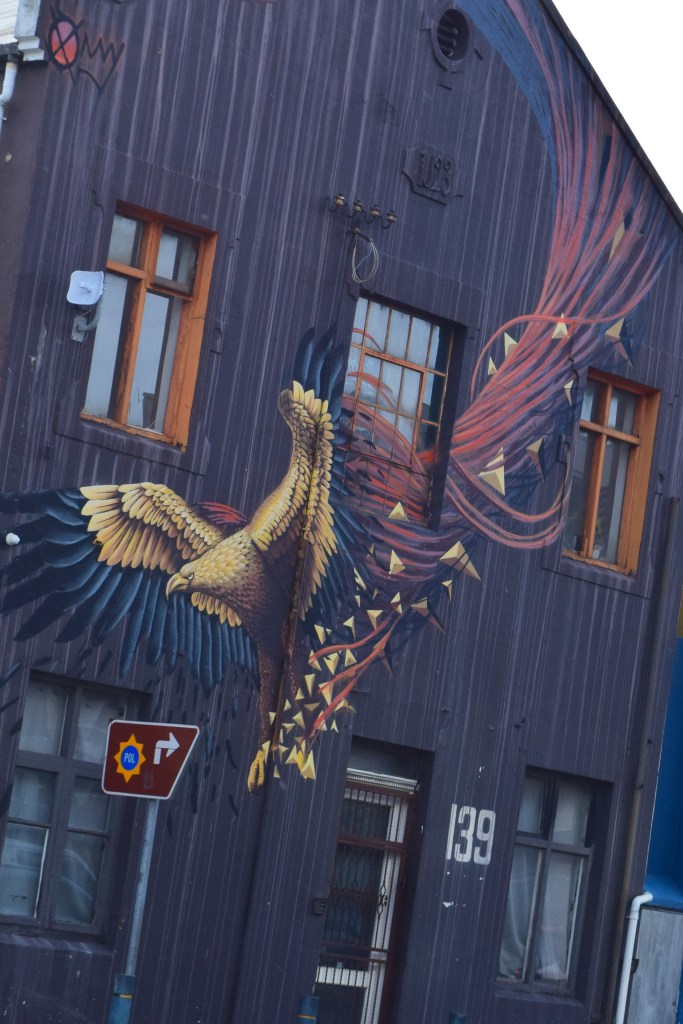
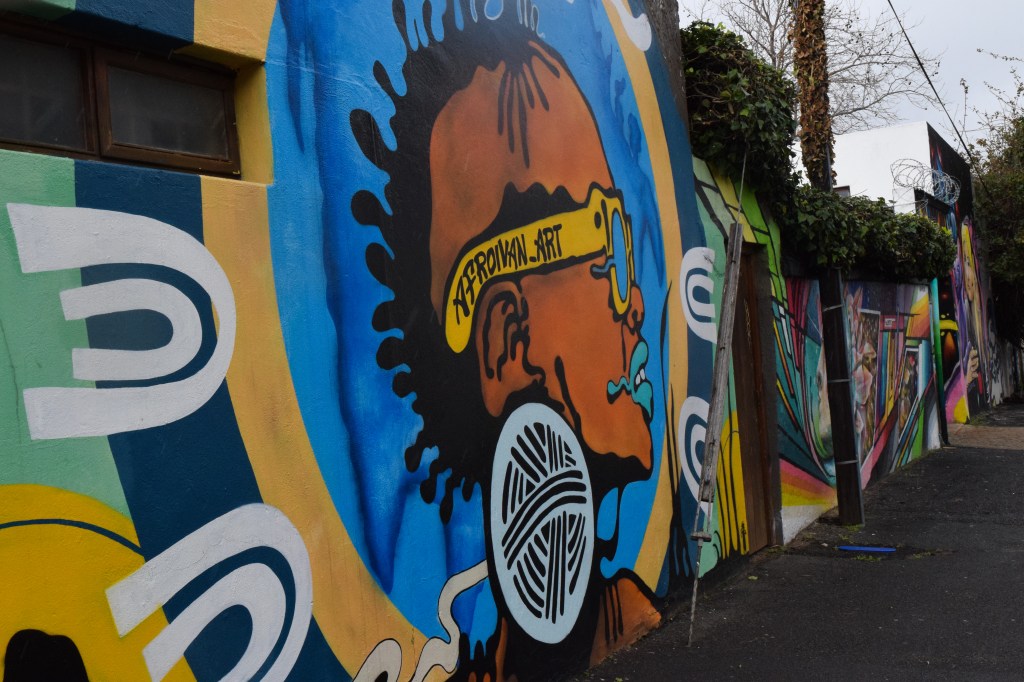
And yet, stubborn optimism remains. I saw it when I stared into the resilient eyes of a woman forced from her home in District 6 during Aparthied’s chokehold on the South African people. I heard it in her voice as she told us what it was like being branded “lesser” and I was inspired when she explained how far she’s come since then.
I’ve seen the hope every parent has for their child in the names they give them. Innocent. Queen. Gift. The dedication to family is unconditional. In my experience, despite the struggles with money, electricity, crime, and the government, people are respectful. A traditional Xhosa spiritualist I met told me that one of the biggest values in his culture was to “Stand for something, but respect everything.”
The house I lived in was guarded at night by a man named Blessing. He’s originally from the Democratic Republic of Congo but left about 20 years ago to get a job and support his family back home. His daughter is about my age (early 20s) and he hasn’t seen her since she was 3 years old. Due to the political complications of permanent residency and citizenship in South Africa, he’s afraid if he leaves, he won’t be allowed or able to come back. Yet he remains one of the most positive and caring people I know, as we in the house have become his family. He checks on us when we don’t feel well, and opens our minds with stories of his home and his family in the DRC. He keeps us safe, makes sure we come home, and handles the sketchy people that come knocking at our door in the dead of night.
“There’s bad people near here, but they respect me… because I treat them, if you have a gun, I treat you like you do not,” he said. “I am human, they are human.”
It’s because of him I’ve learned to remind myself of joy despite blaring negatives. It’s because of him that I’ve learned the value of my optimism and I cling to it like a buoy.
“Make funny,” Blessing said. “Good things will come.”
Part 6: Giving is Power
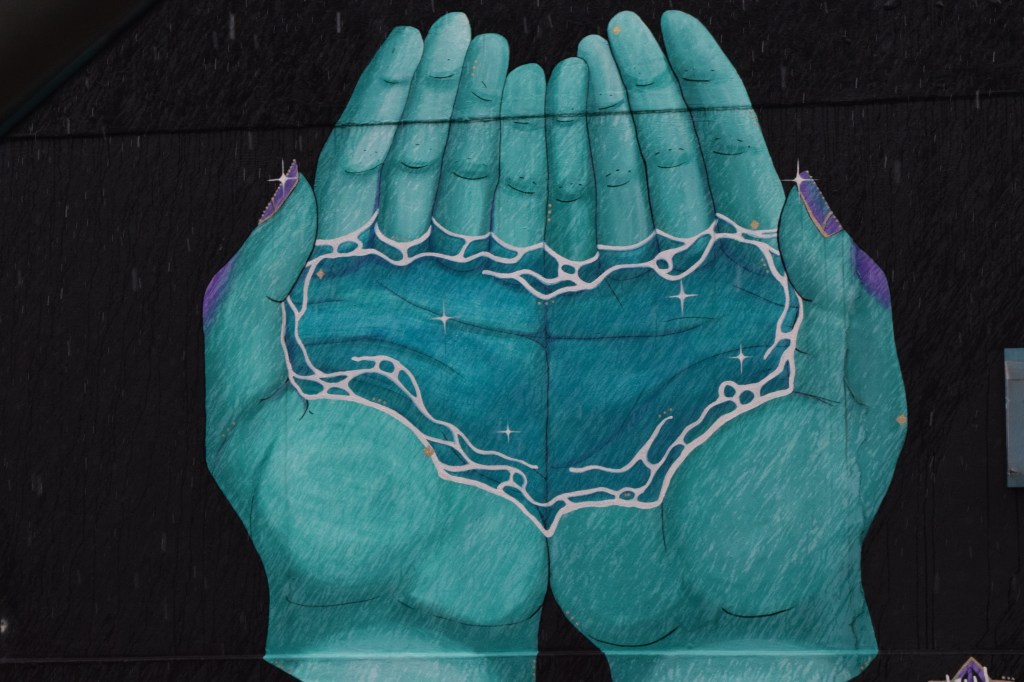
We all forget what’s really important sometimes. But I didn’t realize how much I was forgetting I had until I saw how many people don’t have the same things. Family. Friends. A job. A house. A functioning government. Food three times a day. Clean water. Being in South Africa made me so much more grateful for the things I have. I was reminded of the value of everything I take for granted.
I believe it’s impossible to travel and not change the way you see the world. For better or for worse, the people you meet, the things you see, and the stories you hear will always leave whispers in your mind and stories in your heart. I’ve been very privileged to visit 17 countries in my life and for each place I’ve been, this has been the case. Each stamp in my passport marks a different person I’ve been and a different perspective I’ve held.
To me, travel is about building a version of yourself that’s better than yesterday’s but strong enough for tomorrow.
In South Africa, I opened myself up to a version of myself I was afraid of being in a world people tell me to fear. I decided to trust myself and allow the expectations I hold myself to, to fade. I believe I became a more authentic version of myself. And I believe it’s because I was faced with some of the most basic human challenges I’ve never before had to confront. In Cape Town, if you don’t personally know someone struggling with food security, someone you know does.
I also learned which attitudes I want to have about the world. There’s no undo button on life, some broken bonds don’t heal, sometimes there is no answer and sometimes you can’t fix it. As a self-proclaimed perfectionist, this is hard for me to accept. I want to believe everything is fixable, every person is redeemable, every action is forgivable and I struggle when it’s not. But accepting that truth also means looking for the positives and being open to change. To me, hope is not a waste of time and energy.
I met a wonderful woman named Precious, whose food can cure any ailment. She’s the cook at the YMCA on the University of Cape Town campus where my offices for work are located. Heart of gold and the biggest, warmest smile I’ve ever seen, she makes snacks and meals for the UCT community. She makes fresh, healthy, homemade meals for those who can’t feed themselves. Her kitchen is the heart of our building and is always full of steam from the vegetables cooking, the insatiable smell of spices riding on the air, and fresh cookies ready to be devoured. When you’re having a bad day, she’ll bring you joy. She listens and then gives you a smile, a snack, and some wisdom.
“Just keep pushing and don’t give up hope,” she would tell me. “It’ll all work out.”
Her gift to the world is grace, and she reminded me daily about the power of it. If good things whisper and bad things shout, she was the hum of positivity that accompanied my daily life. She is one of the kindest, most giving people I’ve ever met. And to me, that’s real power and that’s real wealth.
Part 7: Interconnectedness
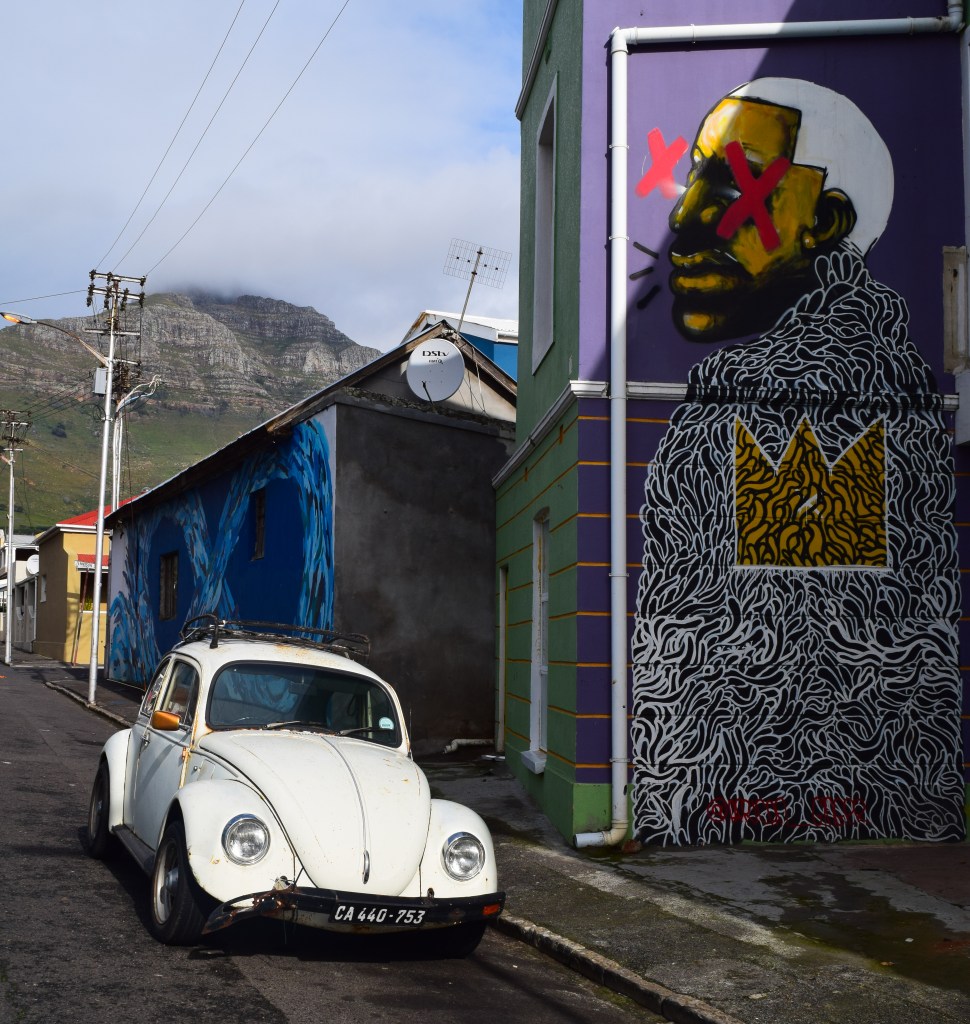
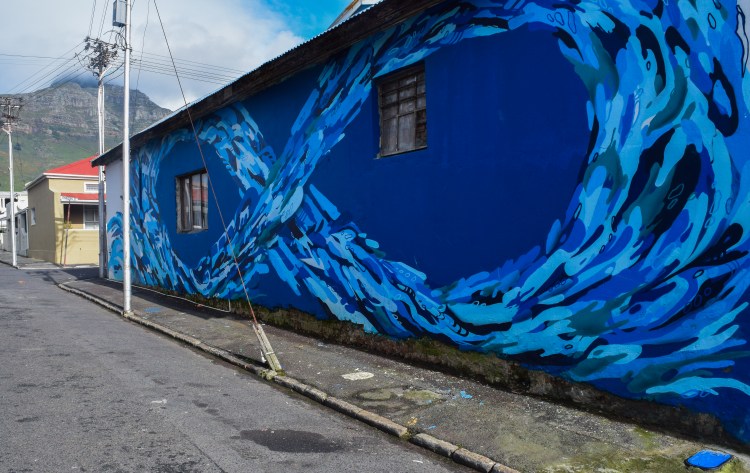
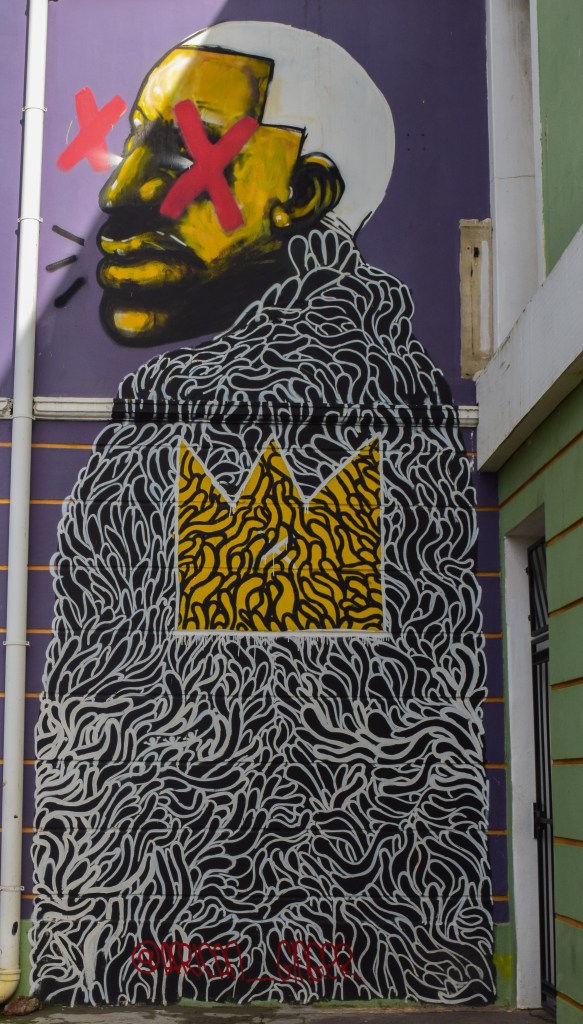
Everything is connected. South Africa is impacted by the US and vice versa. Some things are universal, like the struggle for human rights. I believe that understanding our connections to and parallels with each other is the bridge between human division.
When I ran away to South Africa, I was looking to broaden my horizons. I expanded my view of the world to the southernmost tip of Africa. I spent 9 weeks closer to Antarctica than home. I heard stories of poverty and stories of wealth, life and death, joy and sadness. I learned about this world and took notes. I did my best to live and engage with the people around me.
But every word I add to my story is just another layer in this glass wall that separates me from truly living these stories. I can empathize, but I can’t really understand. I’ve never gone hungry at night. All I can do is explain what I figured out about the world, relay my own stories, and hope someone is listening.
What I remember is that my experiences and opinions are just as valuable. The different perspectives I bring is just as valuable as those I’ve written about above.
On a hike in Cape Town, I met a woman from the east coast of South Africa named Shona. We bonded over knee injuries and our love of non-profit work. She told me “Once you get Africa in your blood, it’s hard to get out,” and I couldn’t agree more. There’s something captivating about the continent, some itch that needs to be scratched regarding the vast histories and bold people that have animated my mind.
Just as much as I feel like I’m living in a glass box that separates me from truly living these experiences, my connections to others help bridge the gap and break down those walls. That’s why these stories and people mean so much to me.
Part 8: A Complicated Answer to A Simple Question
We’re all broken, pieces of a puzzle searching for our final image. I believe in the good of the world despite the bad that I’ve seen. We’re all hypocrites. I’m a communicator who struggles to relay her message.
I think it’s easy to build a plan for life, a picture-perfect cookie cutter where lines are drawn and defined, final and easy to identify. But I don’t think that’s accurate or justifiable. In my experience, actions are conditional. Promises are breakable. People are transformable. If you only allow for certain things to be true, then you limit the number of people you can connect to and the types of situations you find acceptable.
Humans make bad decisions for good reasons. We develop complicated answers to simple questions. But I believe in the power of human connection and the power of storytelling. In my experience, being willing to open yourself up to uncomfortable topics and personal stories is what fosters your growth the most.
For me, the great joy of this trip is connection. Connecting new places with old friends and new friends with old habits. Meeting people from over 10 countries, hearing new languages, and observing new cultures and ways of life.
I am extremely privileged. I have a return flight booked and a semester’s worth of classes to finish for a college degree from the wealthiest nation in the world. I am separated from poverty. I am white.
I spent 9 weeks on the other side of the globe, learning about and living in a world I never would have been in otherwise. And despite all the words I’ve written and all the photographs I’ve captured, I fear I haven’t said anything at all. It’s hard to explain. But in the words of someone once a stranger,
“Don’t try to explain it, tell them to see it.” -Shona
So. Come to Africa. See it for yourself and develop your own opinion. What do I know? I’m just a wanderer.
– Anika
August 2023

